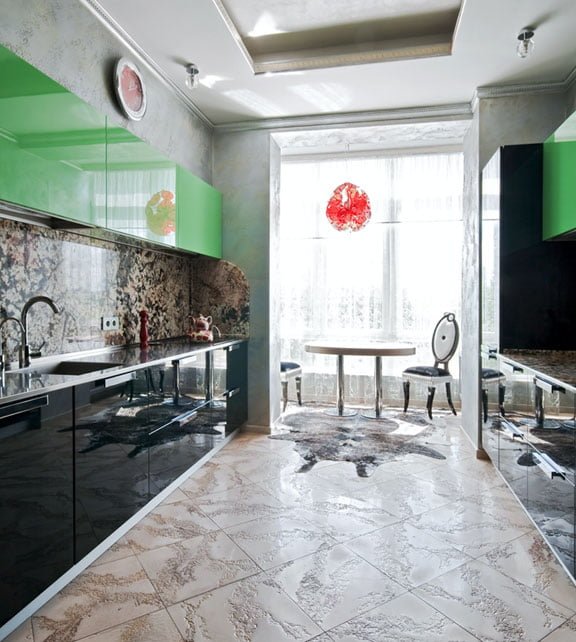
The Hidden Impact of Kitchen Layout on Daily Living
If you’ve been dreaming up a new kitchen, don’t forget the layout! Of course, shiny new quartz bench tops and contemporary cabinetry are gorgeous additions to any home. But while aesthetic choices are important, there’s more to a truly great kitchen.
Think about it this way: even the most beautiful kitchen isn’t worth it if it doesn’t function well.
Let’s take a closer look at the impact of kitchen layout.

What Is a Kitchen Layout, and Why Does It Matter?
When we talk about the layout of a kitchen, we mean how the various elements are arranged. This includes things like your counters, appliances, storage areas, drawers, seating, and so on. It’s less about where something looks good and more about how efficiently it’ll function in the real world.
Think about how you cook. It’s a sequence of small, repetitive tasks that typically follow the same pattern. You chop, rinse, stir, heat, and serve. A good layout supports that flow. It helps you move from task to task without thinking. A poor layout interrupts that rhythm, creating friction and frustration.
When the design is right, everything feels easy. For example:
- Storage is within reach. You don’t need to stretch or crouch to get what you need.
- Counters are exactly where you need them. You can pull a tray from the oven and set it down without searching for space.
- Appliances are placed in zones. Wondering how to zone a kitchen? The dishwasher doesn’t block the trash can, and the fridge doesn’t trap someone in a corner.
- You move through tasks naturally. The kitchen supports your movements instead of forcing you to work around it.

5 Practical Layout Tips That Improve Daily Life
If your kitchen feels harder to use than it should, layout adjustments can make a significant difference.
These five tips improve both function and comfort for the best kitchen layout:
- Follow the chef’s triangle. The stove, fridge, and sink should form a triangle to minimize steps between essential tasks.
- Locate preparation spaces near the sink. You rinse vegetables and immediately start chopping, so shortening this journey can make life easier (and your countertops less wet!).
- Don’t create traffic bottlenecks. Place appliances and drawers where they can open freely without blocking pathways or each other. Otherwise, you could end up in all sorts of frustrating situations.
- Put storage where it makes logical sense. For example, store pots near the stove so you can quickly grab them when you’re cooking. Glasses work well by the dishwasher, and pantry items are ideal right beside your main preparation area.
- Do not waste an entire countertop housing your sink. Always position sinks to one side. That way, you maximize counter real estate—even if your kitchen is on the smaller side.

Benefits of Upgrading Now vs. Waiting
You’re not sure whether to go for it or wait it out. This kind of indecision is not uncommon—investing in a kitchen upgrade can be a big deal. However, delaying often means living with frustration. By upgrading sooner rather than later, you get more time with a kitchen that works. Chores feel a little bit easier, and the kitchen becomes a space you actually enjoy spending time in.
What’s more, a well-laid-out kitchen reduces the need for bending, reaching, and maneuvering around obstacles. These safety outcomes are extra important as we grow older. But with inflation and new tariffs driving up material and labor costs, prices won’t stay where they are for long. Now’s the time to lock in both your cost and your place on the calendar. Waiting will likely mean paying more.

Improve Your Kitchen Layout
If you feel like now’s the time to invest in a safer, more practical kitchen layout, we are ready to help. The team at Poulin Design Center can collaborate with you to come up with a truly personalized solution that you’ll love to look at and cook in.
Reach out today to schedule a consultation. We know how to design a kitchen that ticks all the boxes.